Equipment Inspection
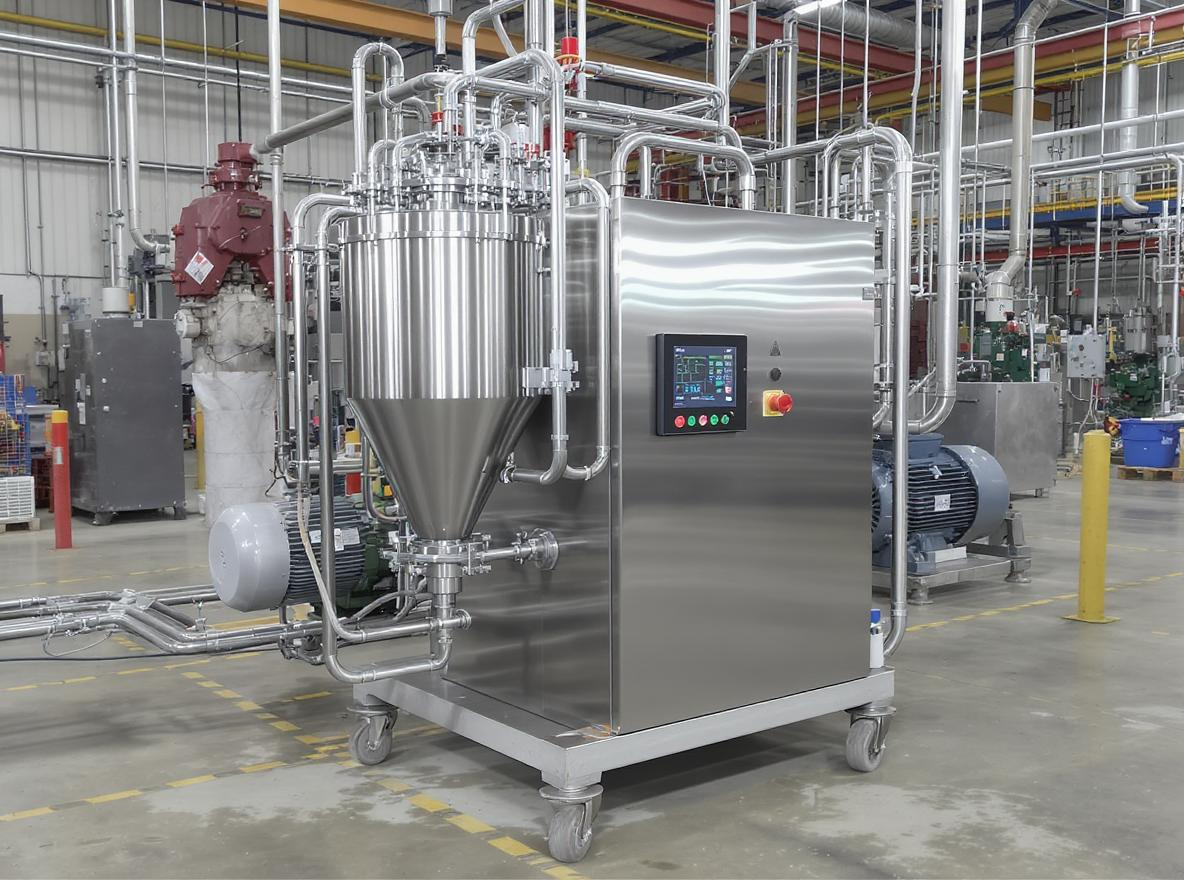
Industrial operations depend on the flawless performance of their machinery from forklifts and cranes to conveyors and compressors. Even a minor malfunction can lead to serious downtime, safety incidents, or costly repairs. Routine inspections play a crucial role in identifying wear, corrosion, and damage before they escalate. However, traditional inspection practices are often manual, repetitive, and inconsistent, limiting both speed and accuracy.
Why Reliable Inspections Matter
Unchecked or poorly maintained equipment poses risks not only to productivity but also to worker safety. A loose joint, hidden fluid leak, or damaged cable can lead to production halts or workplace accidents. In fast-paced industrial settings, pre-use or daily inspections are often rushed or skipped altogether. Human error, incomplete documentation, and inconsistent oversight increase the likelihood of equipment failure.
How Computer Vision Transforms the Process
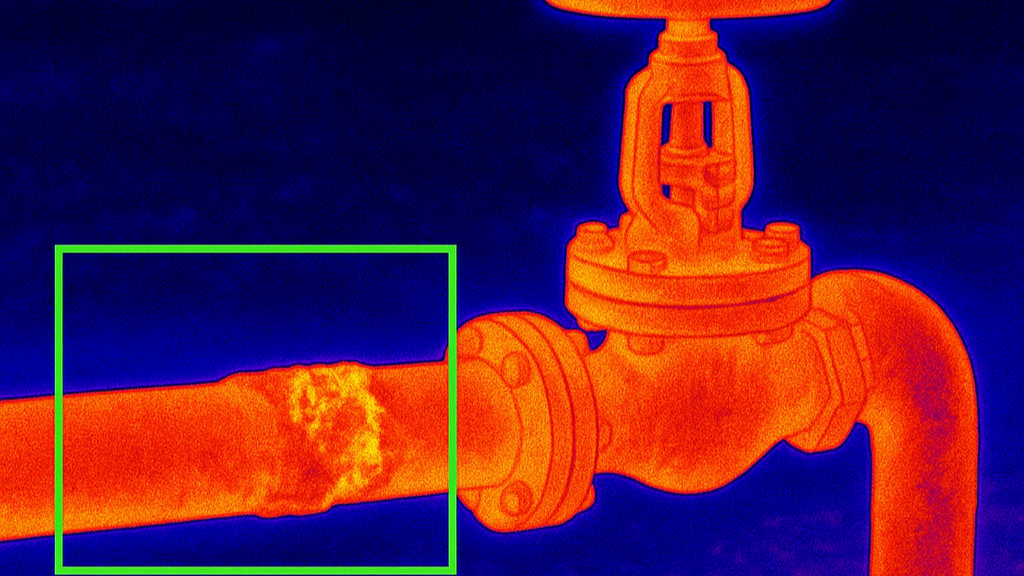
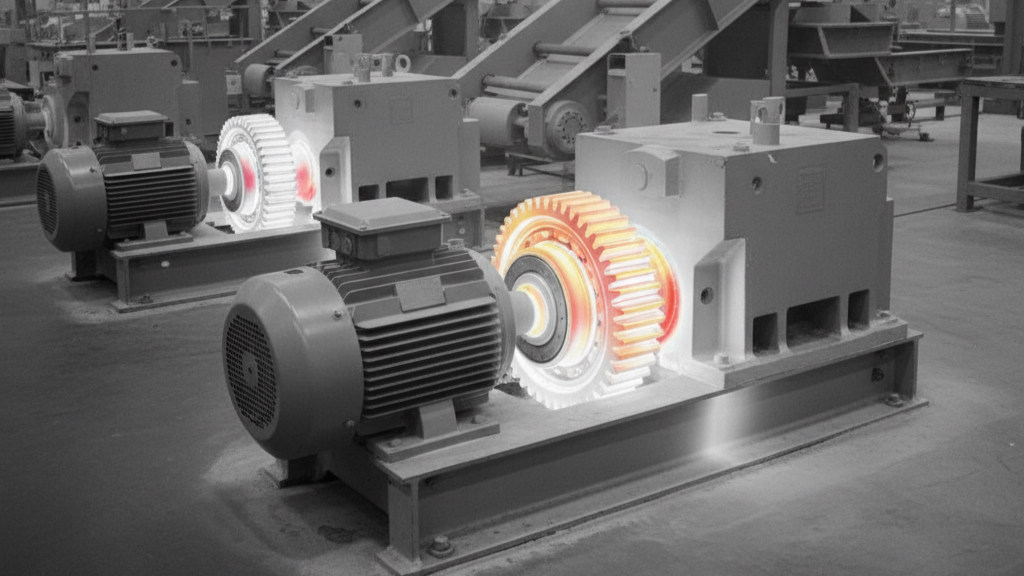
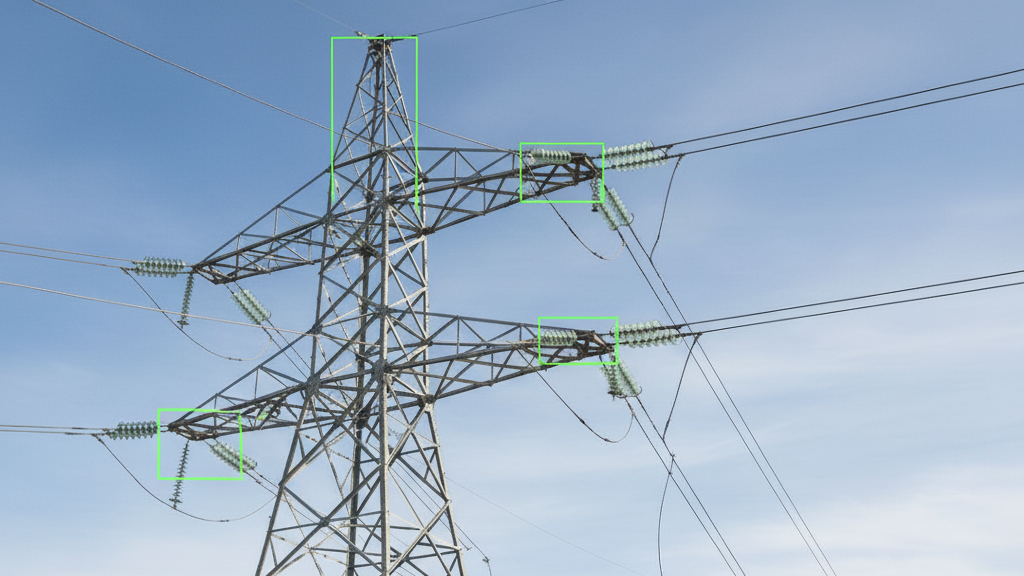
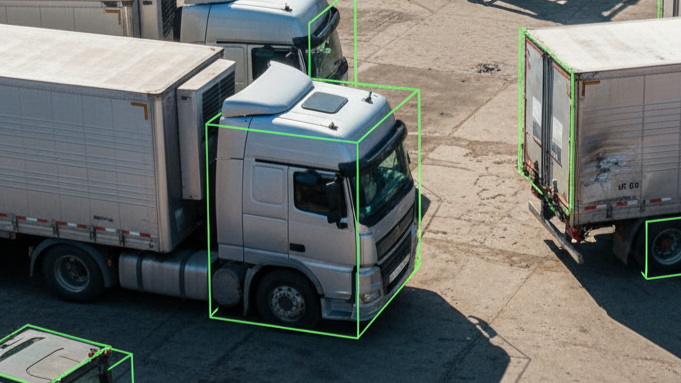
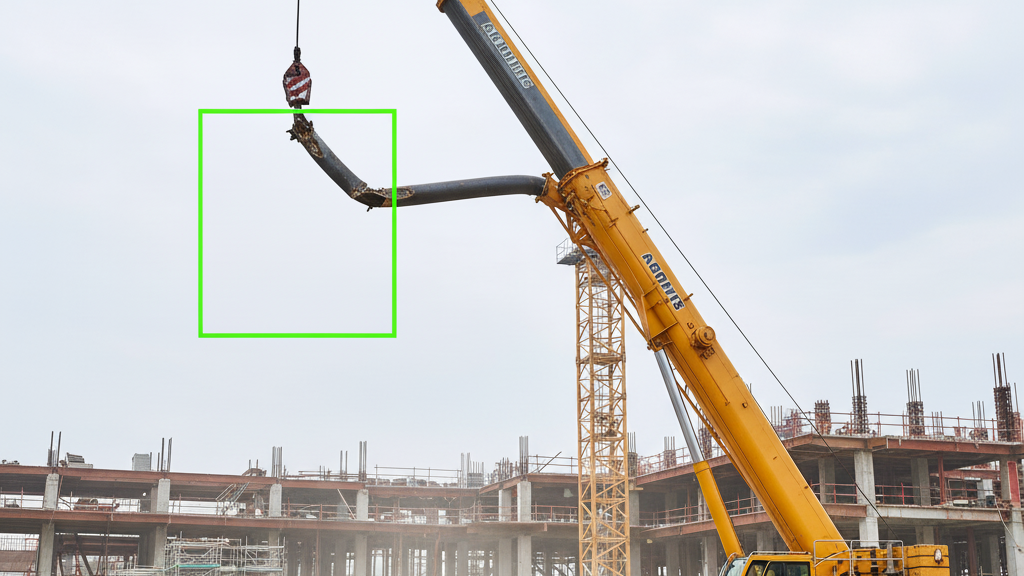
Computer vision introduces automation and precision into equipment inspection. Using cameras and sensors, visual systems continuously monitor machinery to detect early signs of degradation such as cracks, surface wear, fluid residue, or missing parts. This data-driven approach allows for real-time decision-making, minimizing human involvement and eliminating the subjectivity that often leads to oversight.
How It Works
Practical Applications Across Industries
Beyond Safety: The Business Impact
Automated inspection enhances more than just safety it creates measurable operational gains. Continuous monitoring reduces downtime, prevents costly repairs, and supports compliance through consistent digital documentation. Visual inspection data provides traceability, transparency, and insight into asset performance, turning maintenance into a predictive, cost-efficient process.
Scaling Smarter Inspections Across Sites
As operations expand, maintaining consistent inspection quality becomes increasingly challenging. Computer vision offers a unified, scalable solution that centralizes inspection management across all facilities. Whether monitoring assets on-site, in transit, or across a global network, organizations can ensure reliable, real-time visibility from a single digital framework.
The Future of Equipment Reliability
Equipment inspection is no longer a routine checkpoint it’s becoming a strategic pillar of predictive maintenance and industrial sustainability. With computer vision, inspections evolve into a proactive process that keeps operations efficient, assets healthy, and workplaces safer than ever before.