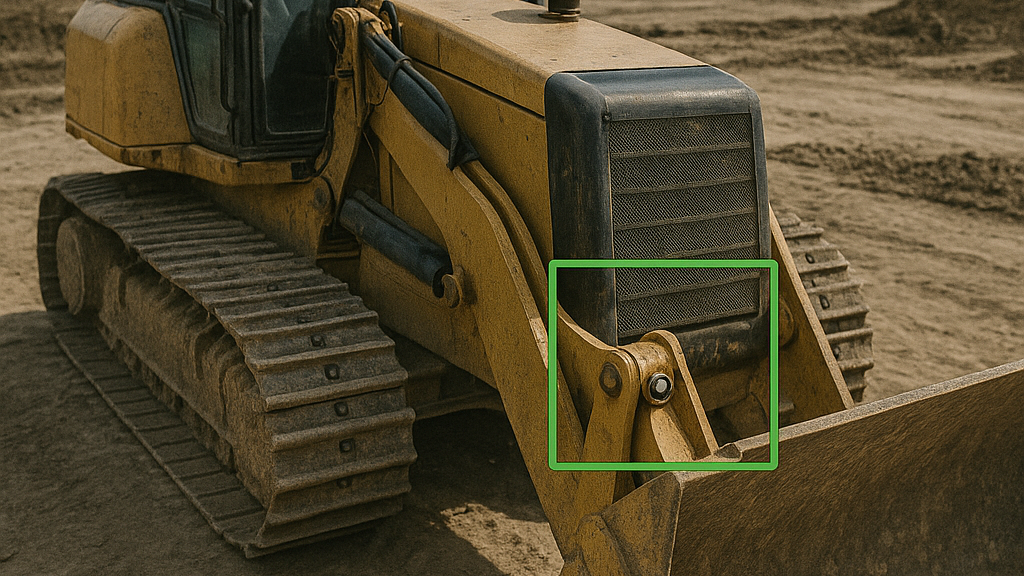
Predictive Maintenance
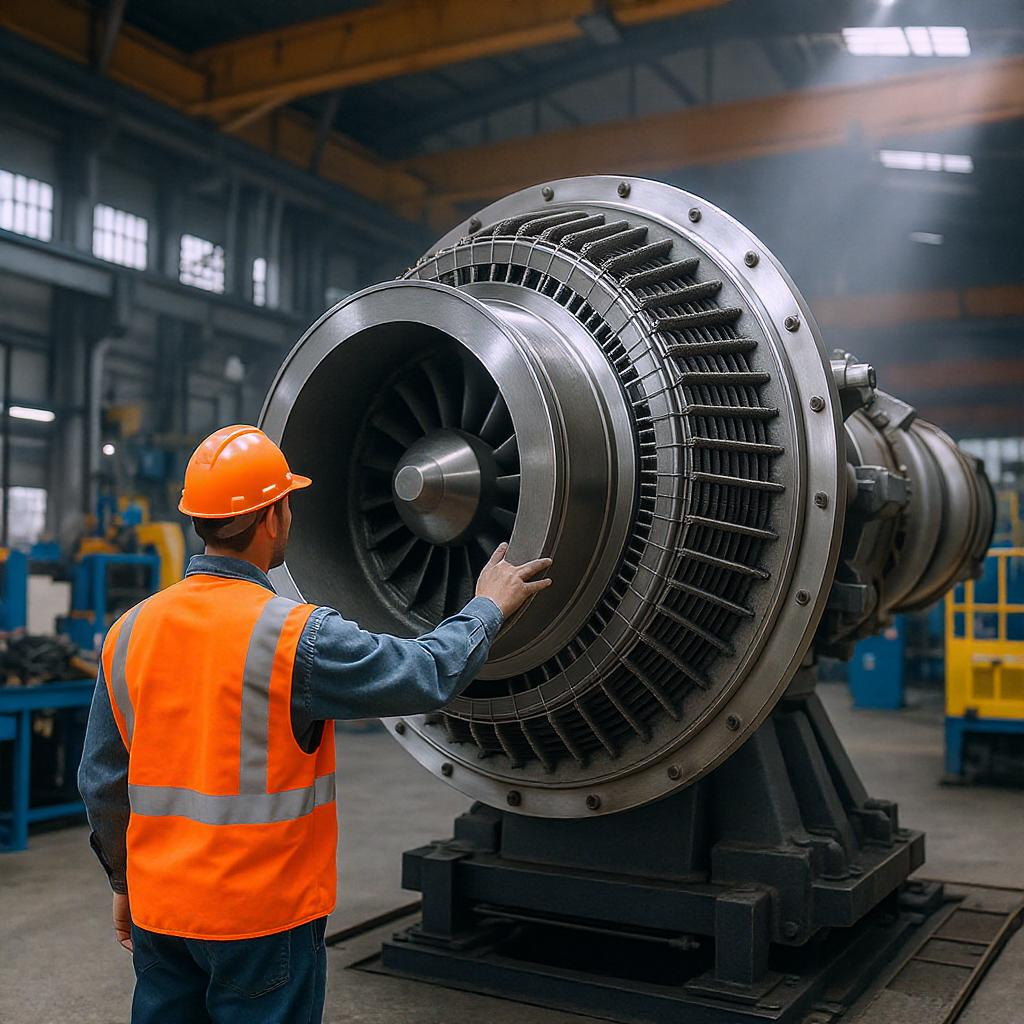
Heavy machinery and complex equipment are the backbone of modern industries from excavators and cranes to pipelines and turbines. Yet even the smallest undetected fault can trigger expensive repairs, operational downtime, or safety risks. Predictive maintenance aims to prevent such failures before they occur by monitoring early indicators of wear, deformation, or overheating.
Traditional maintenance often relies on scheduled checks or operator feedback methods that can miss subtle warning signs or be affected by human fatigue. Computer vision introduces a smarter, always-on alternative: continuous monitoring that keeps critical assets under watch without halting production.
The Shift from Manual to Intelligent Monitoring
In conventional setups, dedicated teams manually inspect heavy machinery, a process that is both timeconsuming and limited in frequency. Inspections cannot run continuously, allowing small issues to go unnoticed until they evolve into costly breakdowns.
Computer vision changes this dynamic by enabling real-time visual analysis. It identifies patterns invisible to the human eye such as micro-cracks, slight misalignments, or heat anomalies and alerts teams before failure occurs. Machines can remain fully operational during observation, reducing downtime and increasing efficiency.
How Computer Vision Predicts Equipment Health
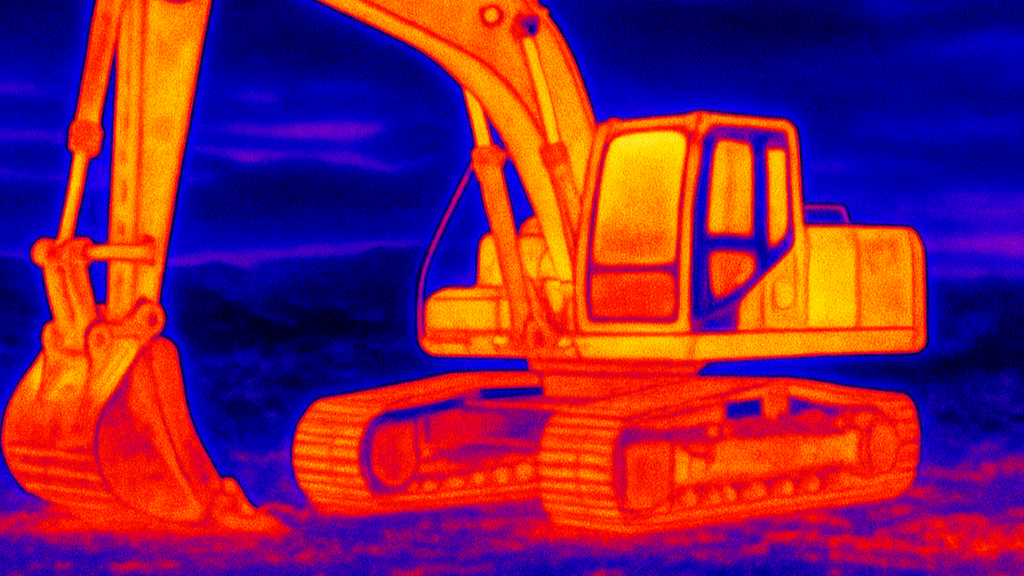
Multi-Camera Setup: Standard and infrared cameras capture both visual and thermal data to detect structural damage or abnormal heat signatures.
Environmental Sensors: Sensors measure conditions such as temperature, humidity, and vibration to provide contextual insight into equipment performance.
Deep Learning Analysis: Algorithms process images and sensor data to identify deviations from normal behavior and forecast potential failures.
Edge and Cloud Integration: Models run on-site for instant alerts, while cloud systems store data for long-term analysis and predictive modeling.
Applications Across Industries
Mining: Continuous monitoring of excavators, conveyor systems, and drilling rigs to detect cracks or overheating
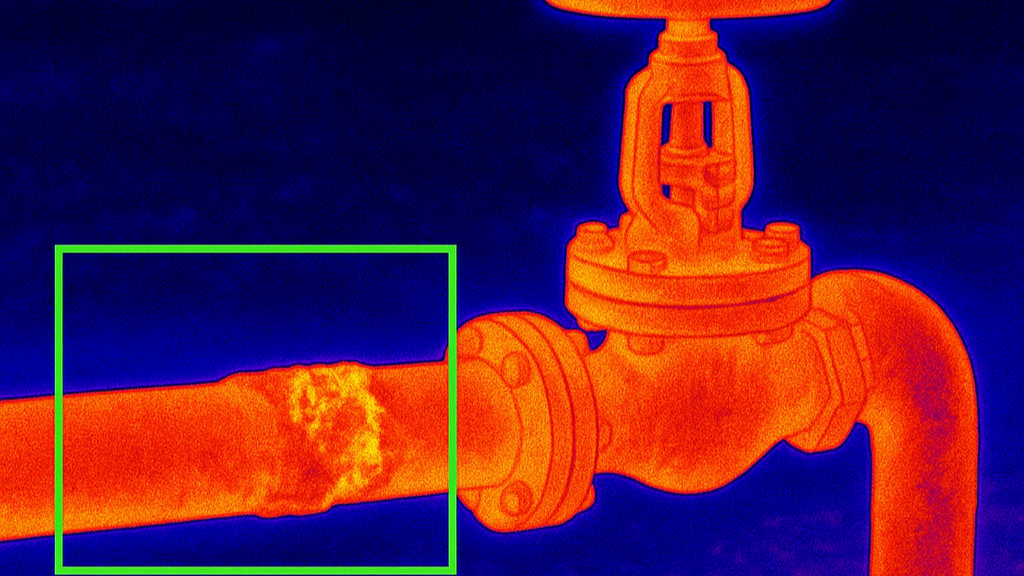
Oil & Gas: Identifying corrosion, leaks, and temperature irregularities in pipelines and valves using thermal vision
Manufacturing: Supervising robotic arms and conveyor lines for alignment, vibration, and structural fatigue
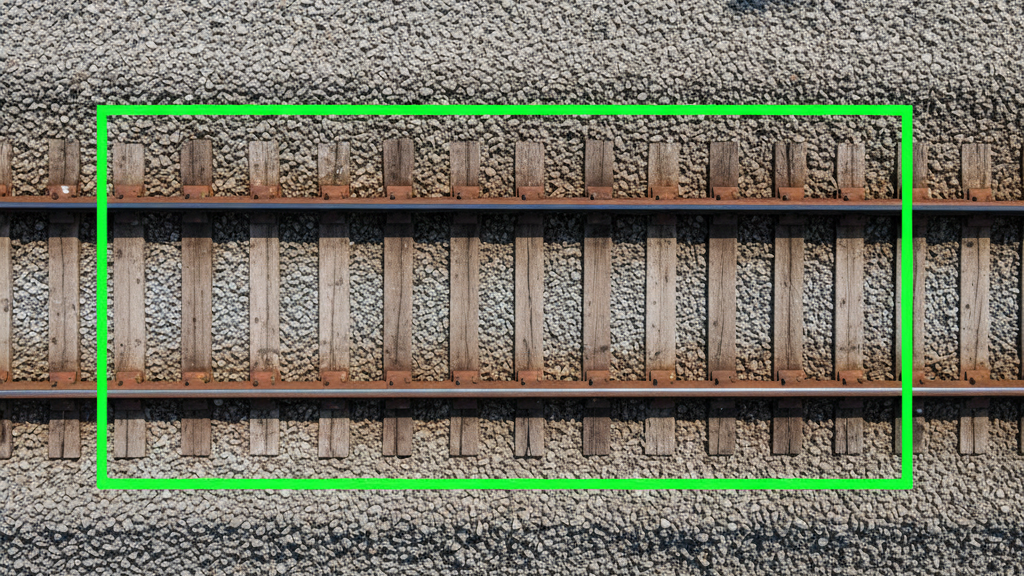
Rail Transport: Inspecting train wheels, axles, and tracks for surface defects and potential failures in motion
Construction: NovaVision Suite processes data from cameras and sensors to automatically detect loose or bent components in cranes, bulldozers, and lifting systems.
Why Predictive Maintenance Matters
Reduced Downtime: Detects early-stage faults before they disrupt production.
Cost Efficiency: Minimizes repair expenses through early intervention.
Enhanced Safety: Identifies mechanical or structural hazards before accidents occur.
Increased Asset Lifespan: Ensures optimal performance and maintenance scheduling.
Scalability: Monitors multiple sites simultaneously without additional workforce.