Personal Protective Equipment Detection
In industrial and construction environments, personal protective equipment (PPE) is the most fundamental barrier between workers and potential danger. Helmets, gloves, safety vests, goggles, and harnesses are not optional accessories they are critical safeguards that prevent injuries and save lives.
However, keeping every worker compliant in dynamic, high-risk sites is far from simple. Manual supervision depends heavily on human vigilance, which is limited by fatigue, attention drift, and environmental complexity. Even small lapses can result in serious consequences for both people and operations.
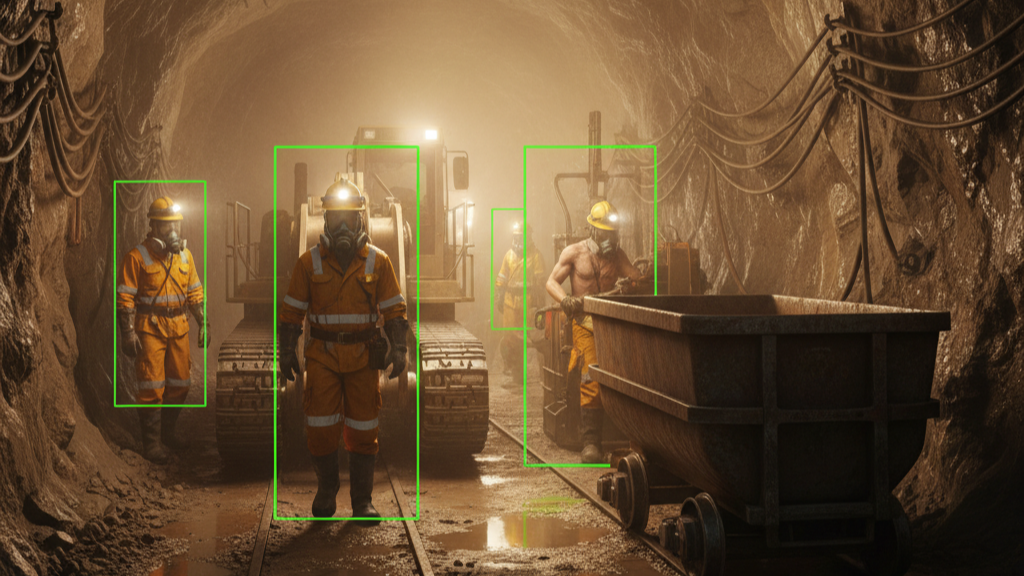
Computer vision reshapes this process by introducing real-time, automated PPE verification. Instead of relying on constant human observation, visual systems continuously analyze worksite video streams, identifying missing or incorrectly worn safety gear in seconds before incidents occur.
Challenges of Traditional Safety Monitoring
Even the most disciplined organizations face difficulties enforcing PPE rules consistently. Supervisors can only observe a fraction of what happens on site, and safety audits often happen too late to prevent violations.Human-based inspections vary between shifts, documentation is inconsistent, and near-miss events frequently go unrecorded. As a result, companies struggle to maintain visibility into true compliance levels leaving gaps that manual processes simply can’t close. What’s missing is a continuous, unbiased, and automated layer of oversight that enhances rather than replaces human supervision.
How Computer Vision Detects PPE in Real Time
Through existing CCTV or IP camera systems, computer vision can automatically verify whether personel are properly equipped in live video feeds.
Deep-learning models are trained to recognize key PPE items such as:
When a worker enters a monitored area without the required protection, the system immediately flags the event and can notify supervisors through on-site dashboards or mobile alerts. Each detection is securely logged, providing a verifiable digital trail that simplifies audits and supports long-term safety reporting.
Industrial Applications
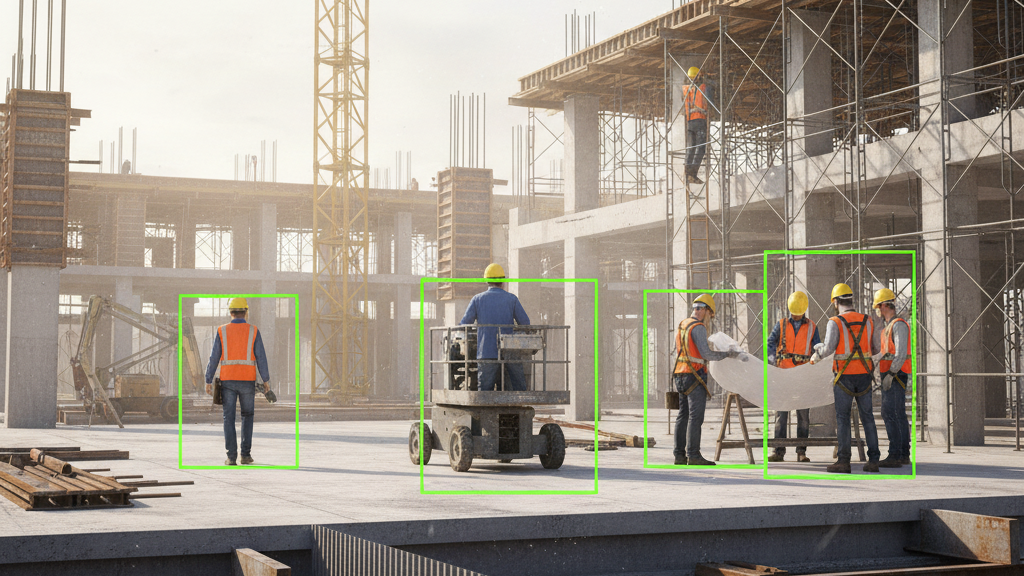
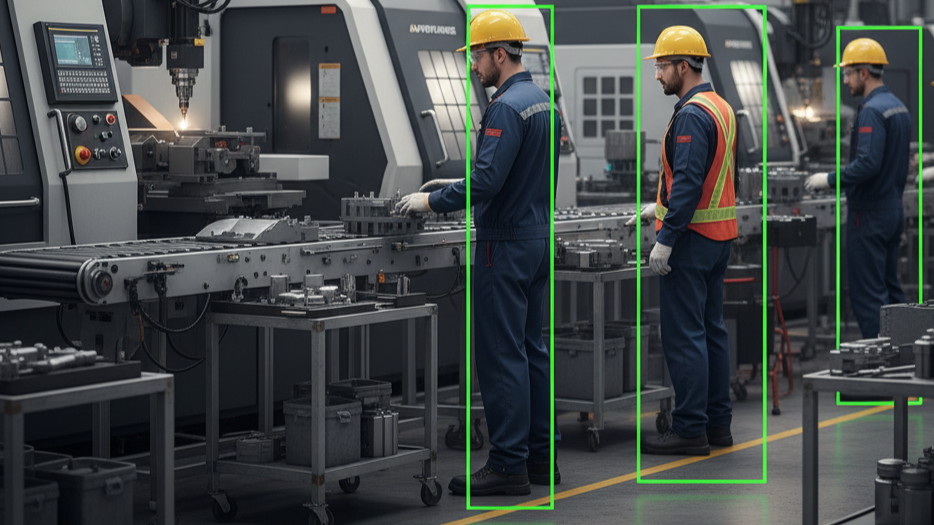
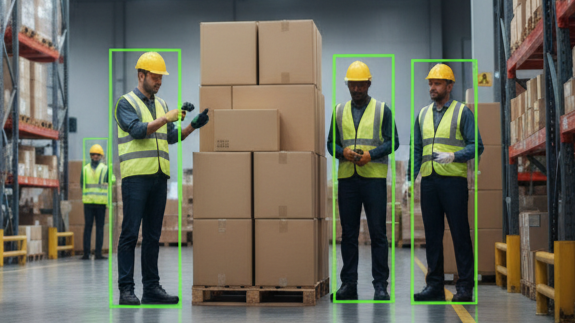
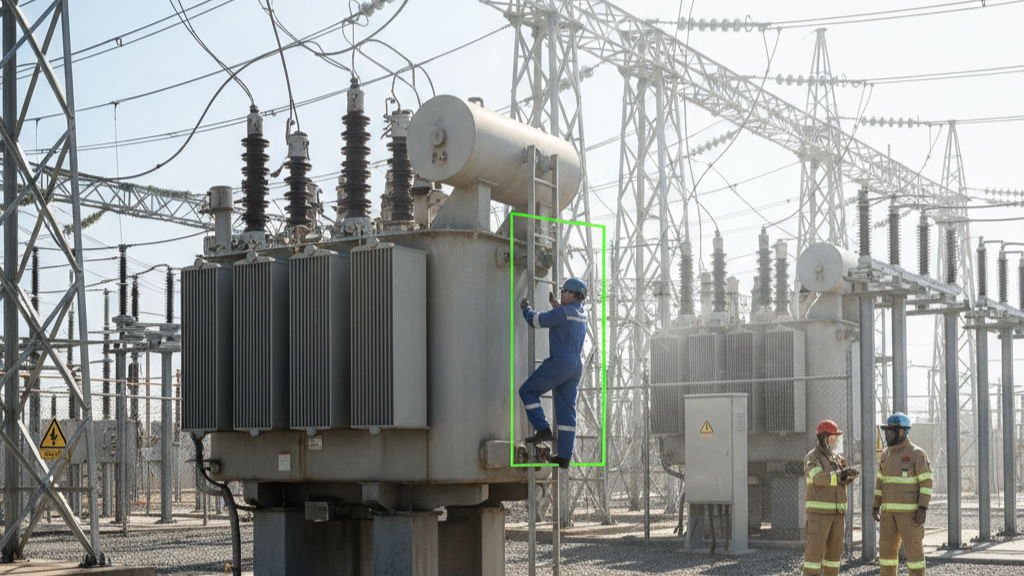
Why Vision-Based Monitoring Changes Safety Standards
Automated PPE detection delivers more than just compliance it establishes a culture of continuous safety improvement. By pairing accuracy with real-time visibility, it helps organizations maintain safer workplaces while optimizing their resources.
Key advantages include:
The Future of Proactive Safety
In today’s high-risk industries, safety can’t depend on reactive observation alone. Computer vision provides a proactive, data-driven foundation that complements human expertise and ensures full visibility of every operation.
By integrating vision-based detection, companies can protect their workforce more effectively, maintain compliance effortlessly, and foster a transparent safety culture built on trust and accountability. Automated PPE monitoring doesn’t replace people it supports them, turning safety from an afterthought into a continuous, intelligent process.